First Public Exposure
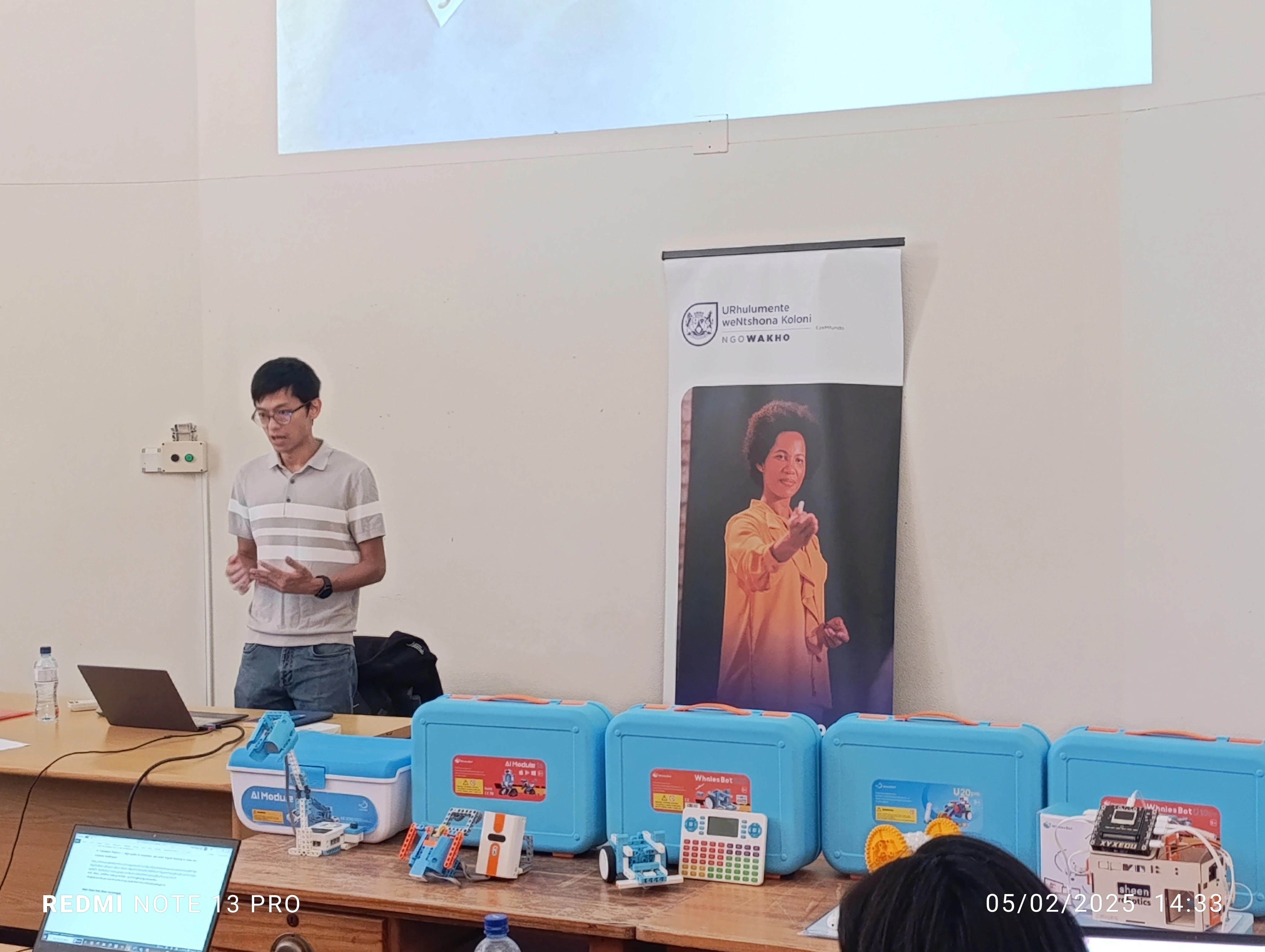
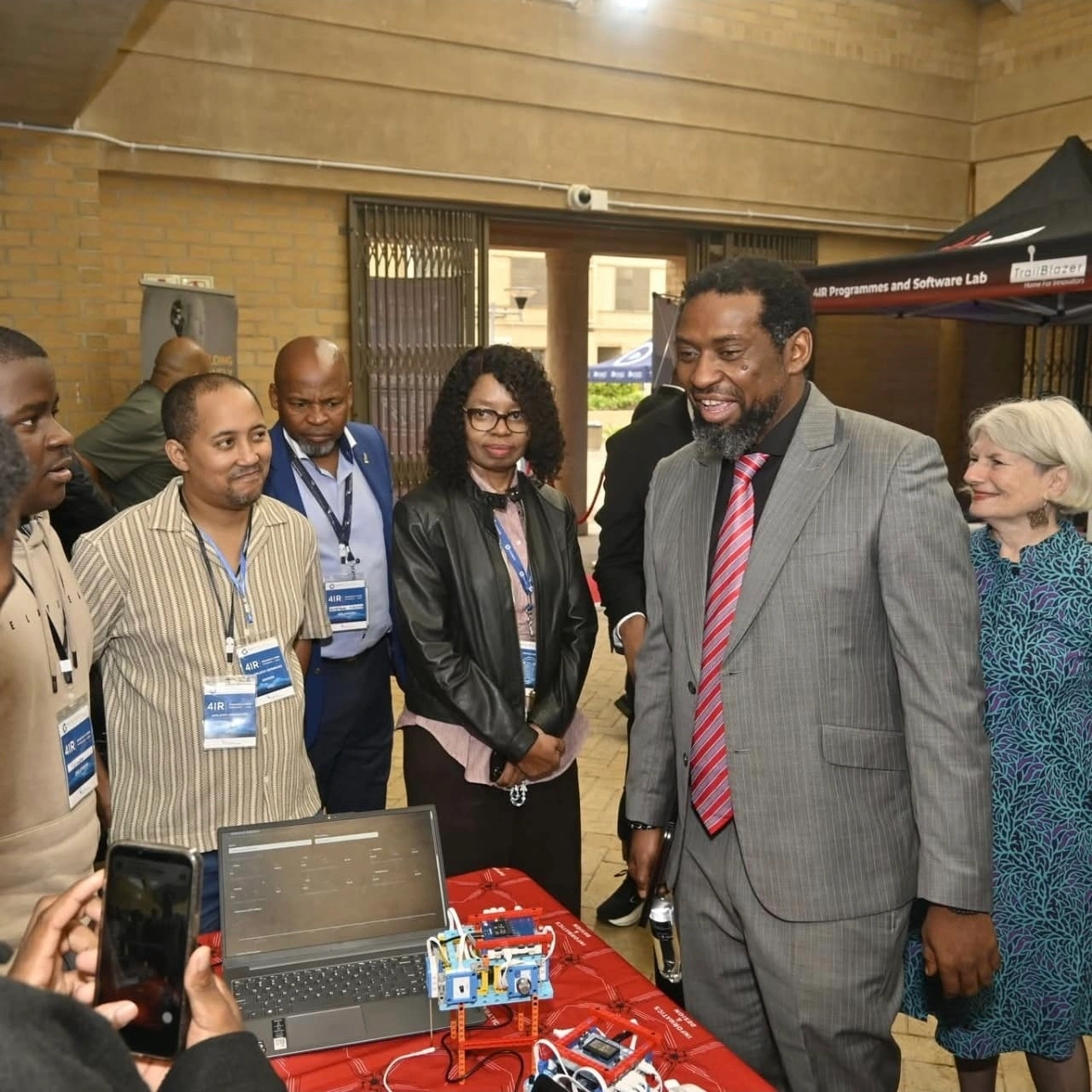
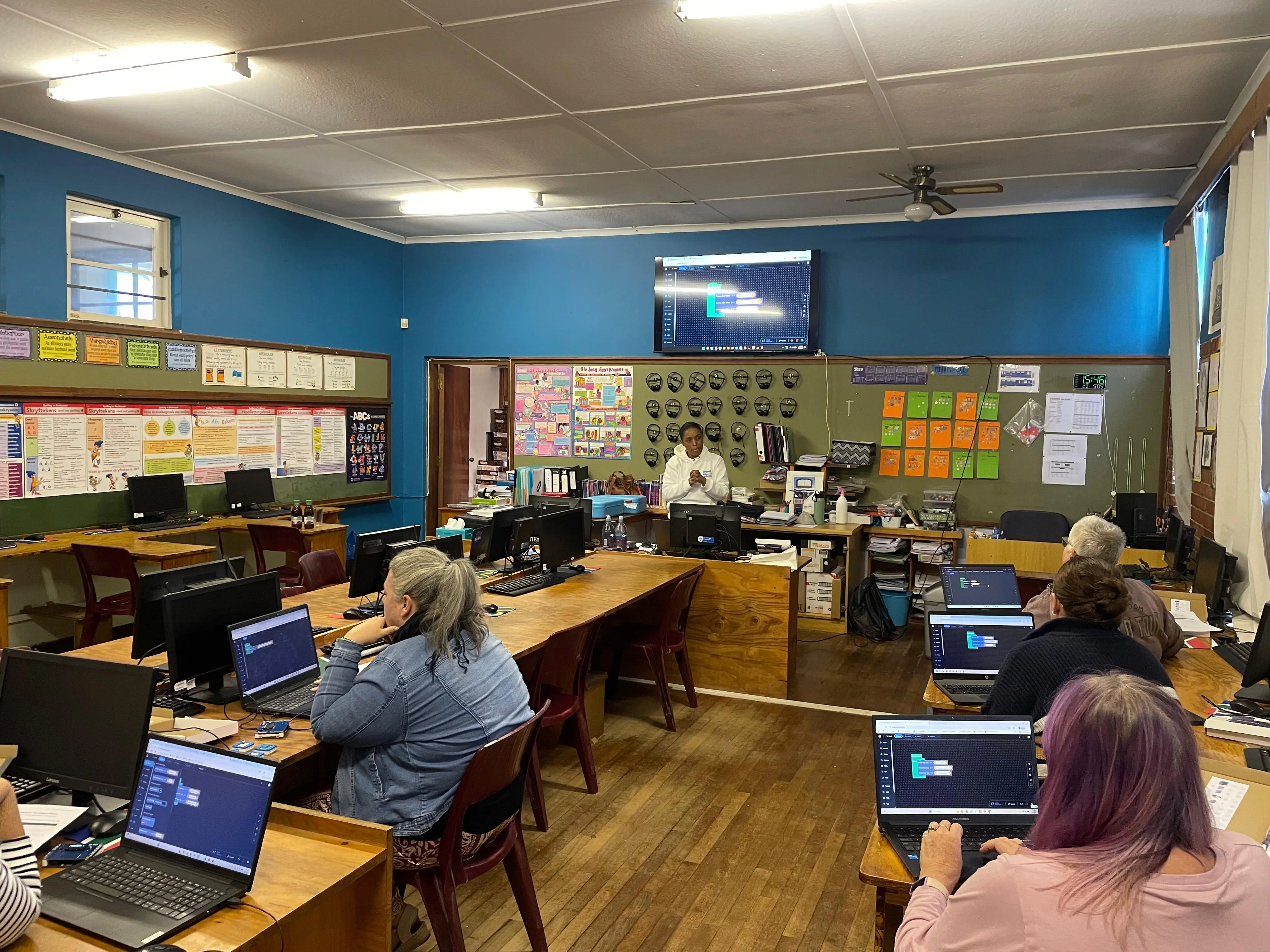
On 5 February 2025 — six weeks before Sheen Academy opened its doors — we packed the kits into a car and put them on a table in front of a room full of educators. It was the first time anyone outside the company had touched what we were building.
Every company has a moment where the work stops being an internal project and becomes something other people can pick up, turn over and ask hard questions about. For Sheen, that moment was 5 February 2025.
A table, a projector and a row of blue cases
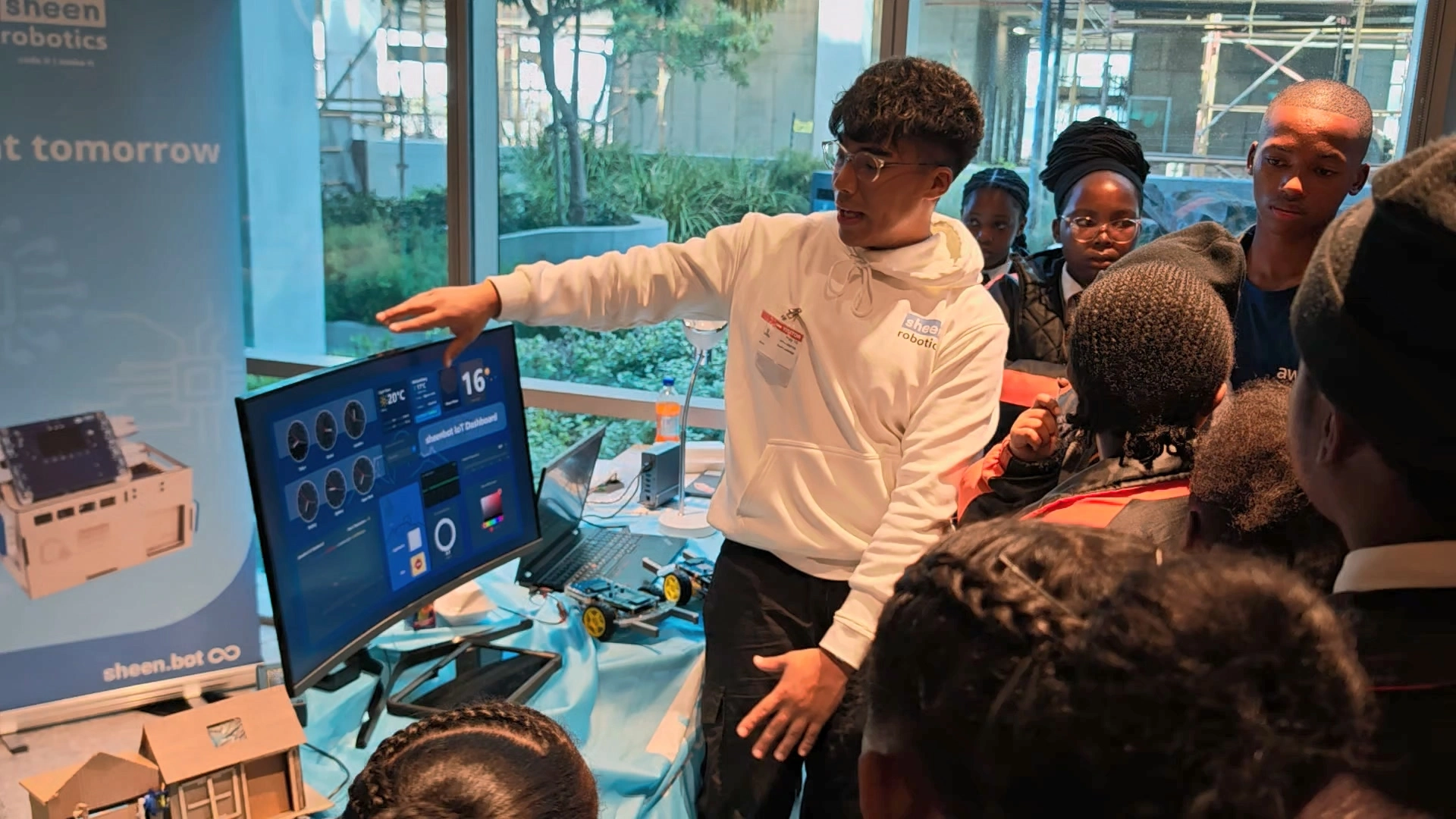
The setup was deliberately unglamorous: a laptop, a projector, and a row of WhalesBot cases opened up along a table so that people could reach into them. The AI Module kit, the U-series controllers, a handful of models we had built the night before — all of it laid out at arm's length rather than behind a barrier.
That choice was the whole point. We had spent months arguing internally that coding and robotics education fails when it is demonstrated rather than handled, and this was the first chance to test the argument in a room that had not heard it before.
Why we started with educators, not learners
It would have been easier to start with children. Children are a forgiving audience: hand them a robot and the session works. Educators are not forgiving, and that is exactly why we wanted them first. The questions that came back were the ones that matter:
- How long does it take to get a class of thirty from an unopened box to a working program?
- What happens when a cable is plugged in the wrong way round — does the lesson stop?
- Who fixes it when something breaks in week six of a term?
- What does a teacher with no coding background actually need on day one?
We did not have complete answers that day. What we had was a very clear list of the problems we would need to solve, written by the people who would have to live with our decisions.
What it changed
Two things came out of that first outing and both of them stuck.
The first was the conviction that hands-on beats a slide deck every time. Nothing in the room shifted the mood as much as the moment someone stopped watching and started building. Every exhibition, expo and open day we have run since has been designed around that: the kits come out of the cases, and visitors are expected to touch them.
The second was a product direction. The friction we watched people hit — connectors, wiring, setup time — became the design brief that eventually produced sheenbot∞, our own AI-native board built so that a lesson can begin with an idea rather than with troubleshooting.
Six weeks later, Sheen Academy opened in Century City and the same kits went onto classroom desks for the first paying students. But the journey properly started on a folding table in front of an audience that owed us nothing.
Curious what those first sessions grew into? Have a look at our weekly classes or get in touch about bringing a session to your school.