Trial class checklist: 10 things to watch before you enrol
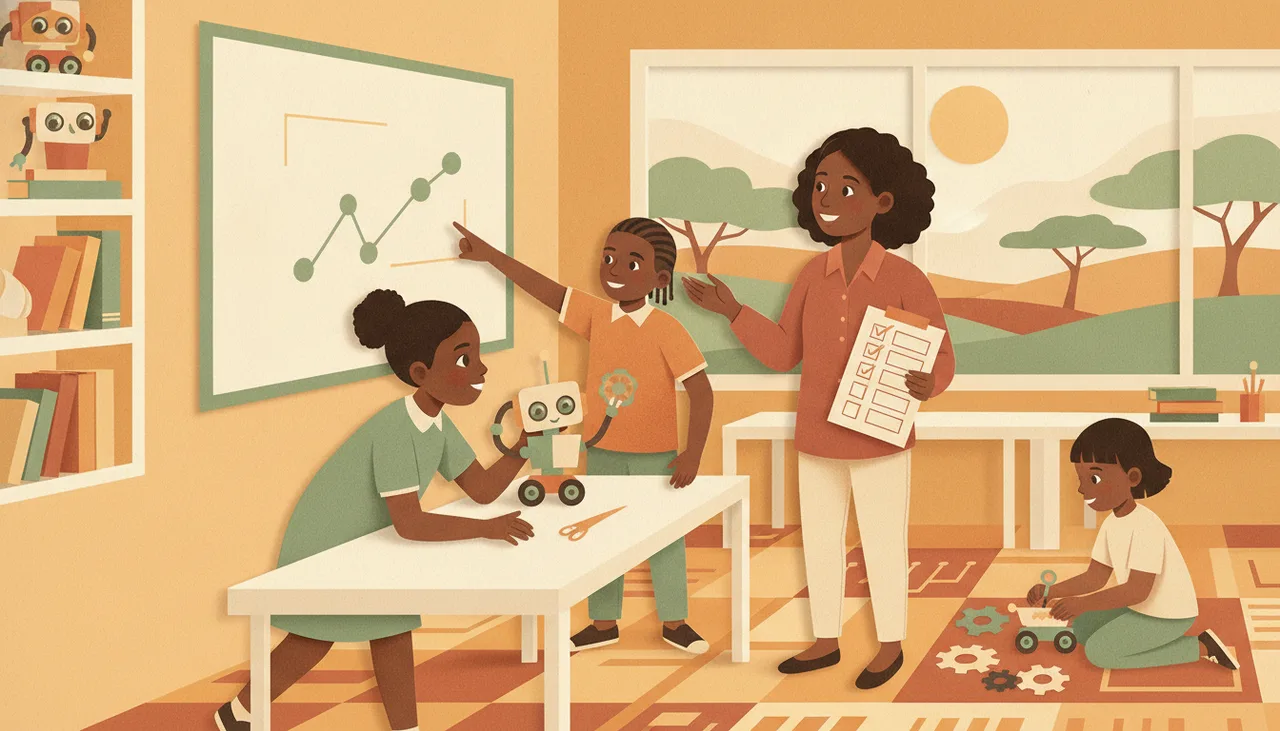
A trial class reveals more than any brochure. Ten things any parent can watch in one visit: who does the thinking, how mistakes get handled, and what your child says afterwards.
A single trial class tells you more than a glossy brochure, if you know what to look for. The useful signals are things you can see in one visit without any technical background: who does most of the talking, how the teacher handles a mistake, and what your child says on the drive home. Run through the checklist below and you will have a clear read on whether the class is a fit.
Watch who does the thinking
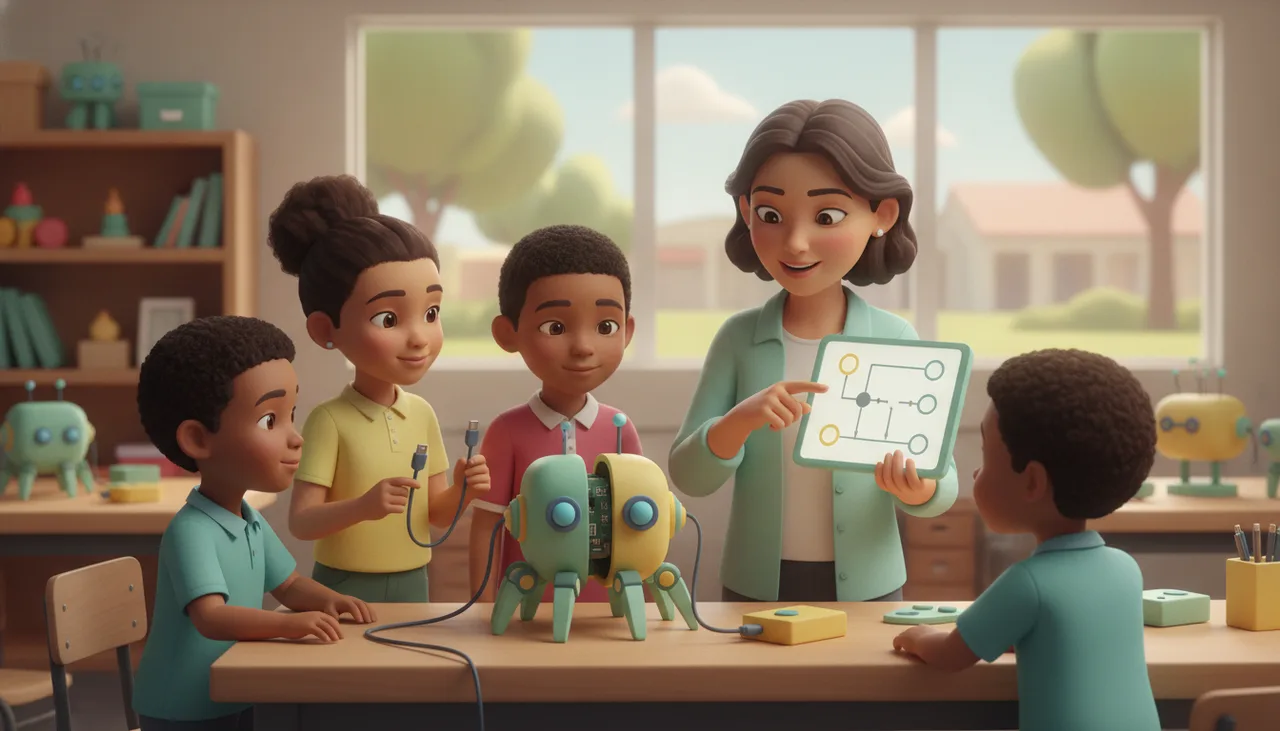
The first thing to notice is the balance of activity. In a strong class the children spend most of their time building, testing and explaining, while the instructor moves between them asking questions. If one adult talks at a screen for forty of the forty-five minutes and the children copy each step, that is a demonstration, not a lesson. Count roughly how many minutes your child is actually doing something versus watching. A good trial gives them problems to wrestle with, not just a finished result to admire.
The 10-point trial checklist
Take this list in with you. You do not need to score it formally; a few weak points are normal, but several together are a warning.
- Who talks more. Children should be doing and explaining, not just listening. Aim for kids active most of the session.
- Group size. Ask how many children there are per instructor. Smaller groups mean each child gets stuck and unstuck with real help.
- How mistakes are treated. Errors should be framed as normal debugging to work through, never as failure or something to rush past.
- Differentiation. The quick child and the slower child should both have something worthwhile to do. Watch whether anyone is bored or lost.
- Real building versus screen-only. Does your child make or run something they can point to, or only click through a game? Both have a place, but hands-on sticks.
- Safety and setup. A tidy, supervised space with wiring, batteries and small parts handled sensibly tells you the class is run with care.
- What is actually taught. Listen for real ideas such as loops, conditions and sequence, not just drag-and-drop with no explanation of why.
- Progression. Ask what week two, week ten and next term look like. There should be a path, not the same activity on repeat.
- The instructor's questions. Good teachers ask "what do you think will happen?" before giving the answer. That habit is the whole game.
- Your child afterwards. The strongest signal of all, covered below.
How mistakes and different paces are handled
Two items on the list carry most of the weight, and they are easiest to judge in person. The first is error handling. Every coding session produces broken programs; that is the point. Watch what happens when something does not run. A good instructor slows down, asks the child what they expected, and helps them find the gap themselves. A weak one grabs the mouse and fixes it silently, which teaches the child nothing except to wait for rescue.
The second is differentiation. Children arrive at very different levels, and a single scripted activity cannot serve all of them. Look for extension tasks for the ones who finish early and gentler entry points for the ones who need them. A published curriculum path is a good sign that the class has thought beyond a one-off trial and can keep stretching your child over a term or a year.
The most honest signal is on the way home
The final check happens after the class ends. Ask your child what they made, not whether they liked it. If they can describe one thing they built, want to show you, or ask when they can go again, that tells you more than any sales pitch. Flat or vague answers are worth noticing too. Children are honest about whether they were genuinely engaged or merely occupied.
If you want to test the water before booking anything, our free browser simulator lets your child try real coding at home with no kit required, so a trial becomes a comparison rather than a first impression. When you are ready to see a class in person, you can book a trial session and bring this checklist with you. And if the class turns out not to fit, that is a useful result: a good trial is meant to help you choose well, not to lock you in.