Girls in robotics: getting them in and keeping them in
Girls stay in robotics when the room feels made for them, projects have a purpose, role models are visible, and the group setting is right. Practical moves for parents and teachers.
Getting girls into robotics is rarely the hard part. Keeping them there is where many programmes quietly lose ground. The approaches that research-informed practice keeps returning to are easy to name and harder to run well: girls stay when the room feels made for them, when projects have a point beyond the gadget, when they can see people like themselves already doing the work, and when the group around them does not make them the exception. None of this needs a separate "girls' version" of robotics. It needs the ordinary version, run with more care.
Belonging comes before the hard challenge
The first session sets the tone for the term. The common opener, "who here already knows how to code?", hands status to the two or three children who tinkered at home, and in most rooms those children are boys. A girl who is new reads that moment quickly and files herself under "not for me."
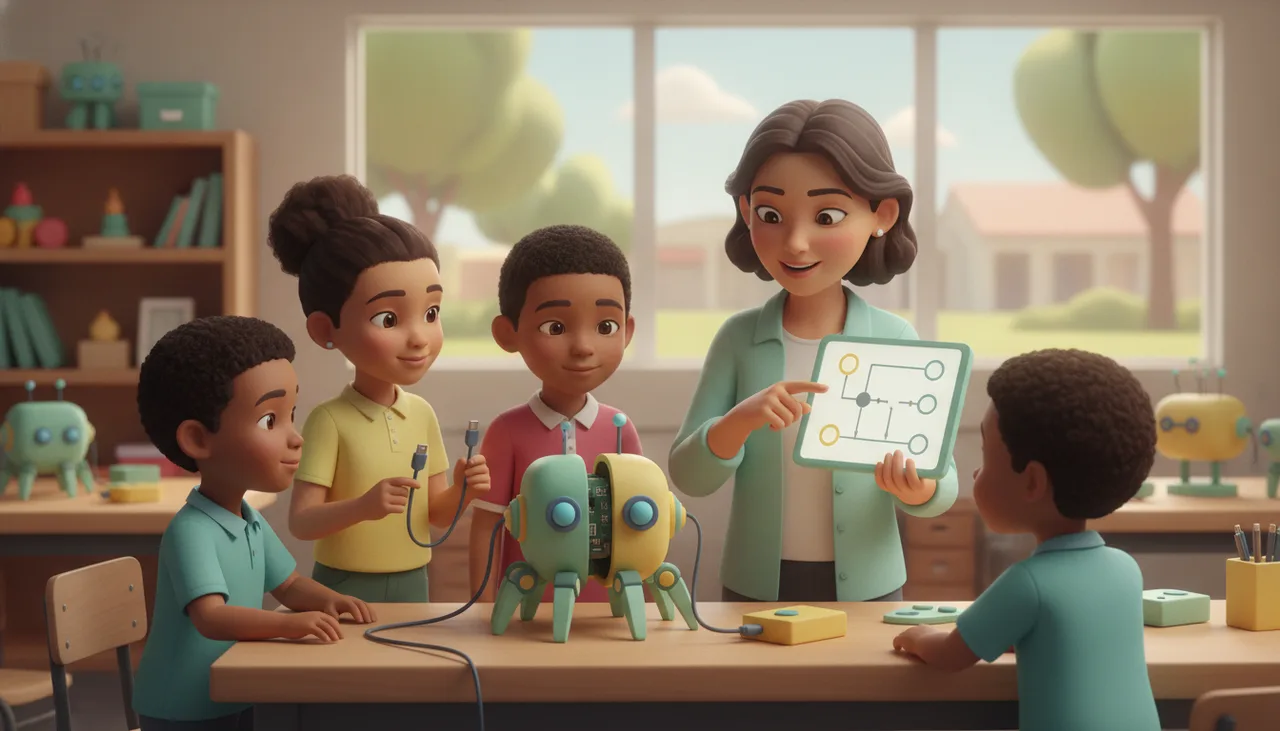
Identity safety is the fix. Arrange the first session so that everyone starts at zero and a small success arrives fast. Give a task any beginner can finish in the first twenty minutes, such as making a light blink or a buzzer answer a button. Pair learners deliberately rather than letting friend groups sort themselves, and avoid seating one girl alone in a group of boys. The goal is not to lower the challenge. It is to make sure the challenge lands after belonging, not before it.
Give the build a purpose
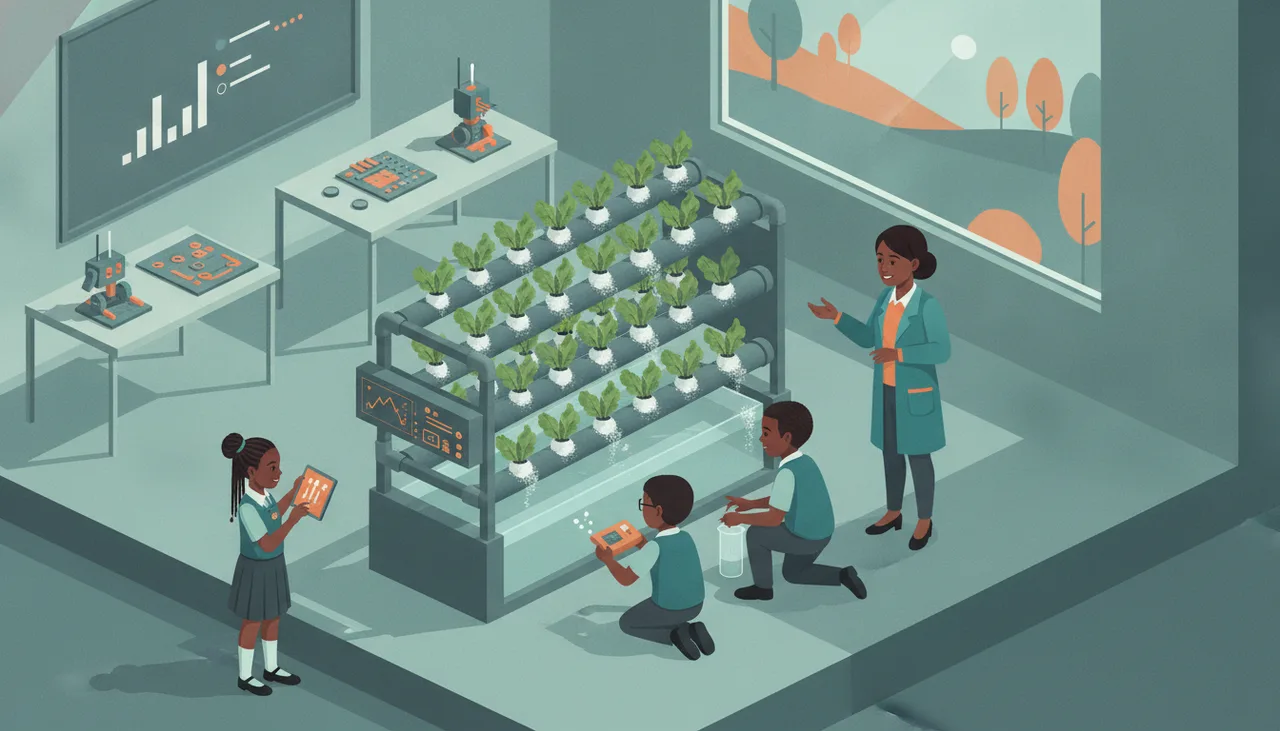
"Make the motor spin" engages a narrow slice of children. "Build something that reminds Gogo to take her tablets," or "measure whether the classroom is too hot to concentrate in," pulls in a much wider group, girls included. The robot becomes a way to help a person or solve a problem, not an end in itself.
Frame projects around water, health, safety, the garden, or the classroom, and let learners choose which problem to chase. A board that senses the real world, its light, sound, temperature and movement, makes this kind of work possible instead of theoretical. When a child can point at her device and say what it is for and who it helps, she has a reason to come back next week.
Role models they can actually picture
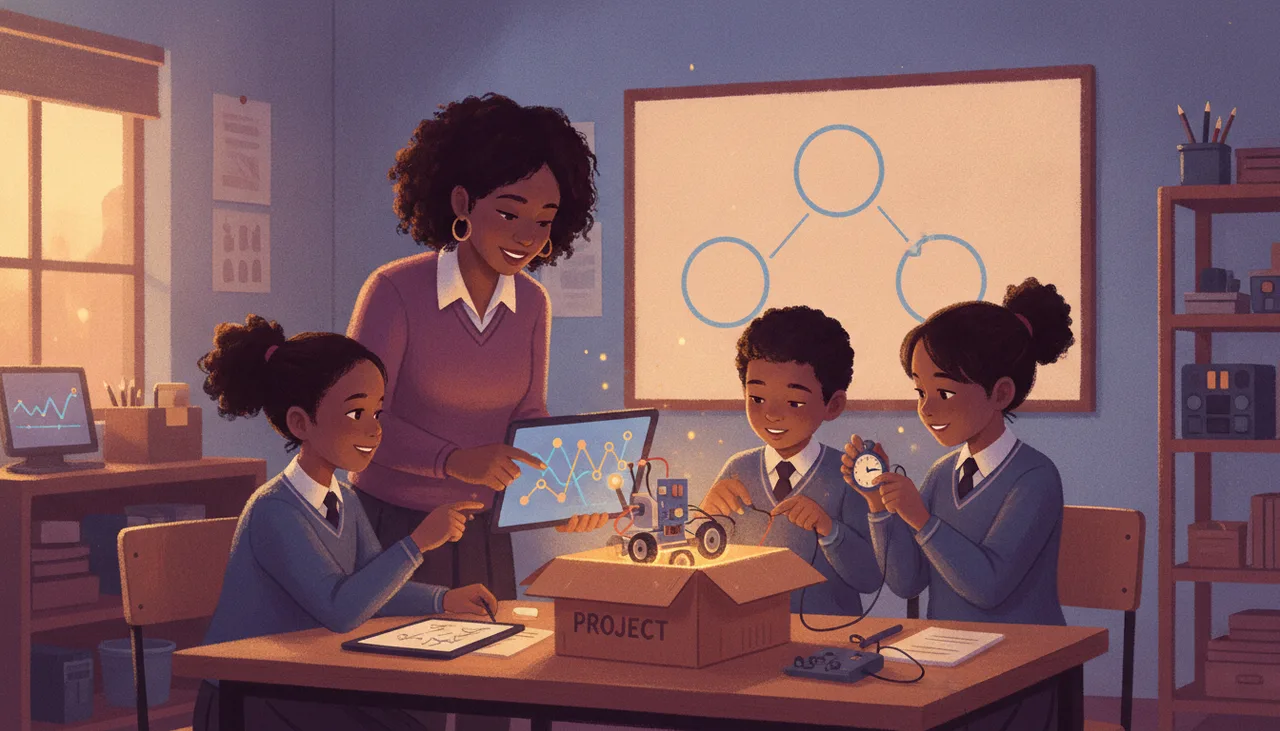
A poster of a famous scientist does less than most schools hope. What moves a hesitant learner is a near-peer: the Grade 11 girl who built the line-follower last term, an older cousin studying engineering, a woman from a local company who drops in for twenty minutes. The closer the model is to the child's own life, the easier it is to think "I could be that."
Make role models visible in practical ways. Have girls demonstrate their projects at assembly, invite past learners back to run a station, and put the names and faces of women who work in the field where learners will see them often. Representation on the wall matters. Representation in the room matters more.
Mixed, girls-only, or both?
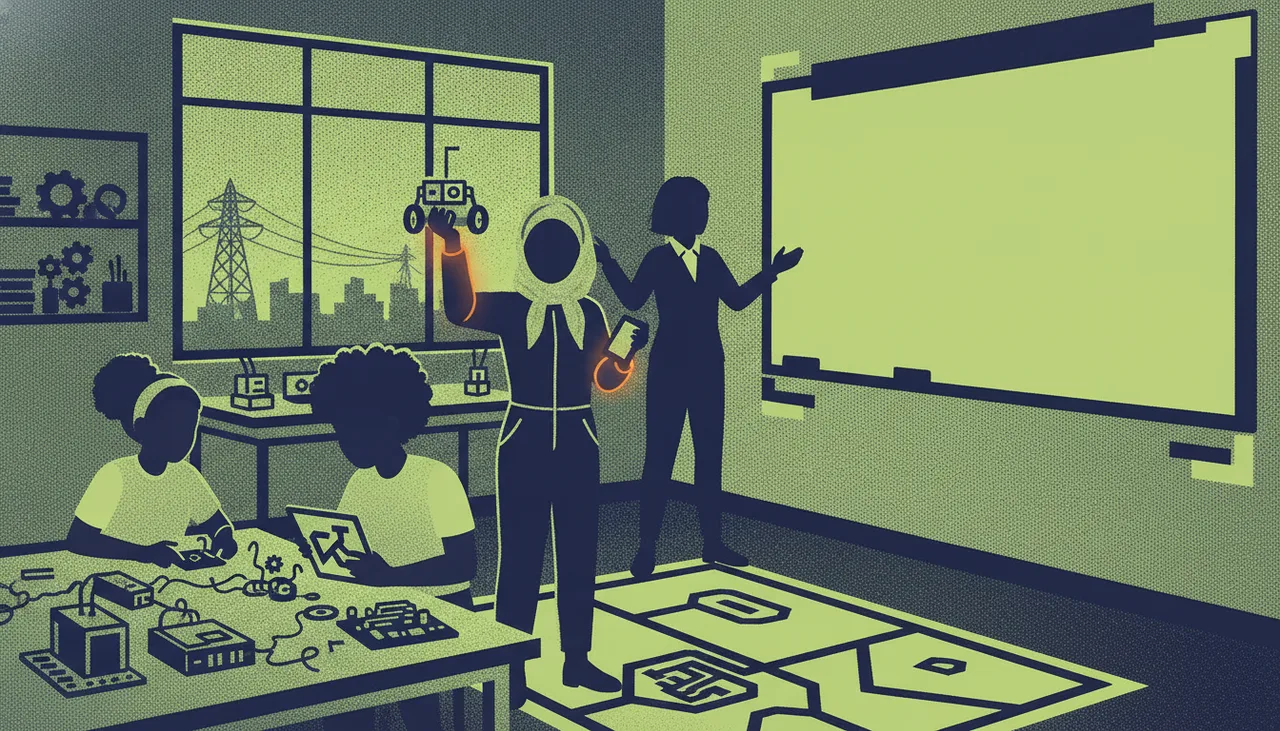
There is a real tradeoff here and no single right answer. Girls-only spaces can lower the social cost of trying and failing, which matters most in the early high-school years when the fear of looking foolish peaks. They make it easier for a quieter learner to take the keyboard instead of handing it to the loudest person at the table.
The risk is that permanent separation can signal that robotics is not "really" for girls, and it does not prepare them for the mixed teams they will meet in competitions and, later, at work. A middle path works for many schools. Use a girls-only entry point, such as a starter club or a holiday workshop, to build confidence, then move learners into mixed project teams once that confidence is set. Watch how the mixed teams actually run, and step in on who holds the tools and who ends up taking notes.
A practical pathway for parents and teachers
The moves that get a girl in and keep her in are ordinary and cheap. Here is a checklist you can act on this term:
- Start with a single low-pressure session rather than a term-long sign-up. A one-off trial class lets her test the water without committing to being "the robotics kid."
- Use the July holidays. A short holiday workshop can act as a girls-friendly on-ramp before she joins a weekly class.
- Ask "what did you make?" and "who is it for?", not "were you the only girl?" The second question makes her the exception all over again.
- Let her keep tinkering at home. A browser simulator means she can build and test without owning a kit, so a good Saturday session does not go cold by the next lesson.
- Give the older ones a next rung. A competition squad such as an FTC team turns a hobby into a goal, a role, and a group of teammates who expect her to show up.
- Protect the drop-off years. When interest wobbles at the start of high school, add responsibility rather than pressure: make her the team's data lead, or the one who teaches the next intake.
Takeaway
You do not need a special curriculum to keep girls in robotics. You need belonging before the hard challenge, projects with a human purpose, role models close enough to picture, and an honest choice about the group setting. Get those four right and retention takes care of much of itself. The rest is showing up, week after week, and making sure the girl who came in curious still has a reason to come back.
Common questions
What age should a girl start robotics?
Whenever she shows curiosity. Many children start around seven or eight with block-based coding and simple builds, but there is no wrong age to begin. The more important question is whether the first session is welcoming, not whether she is the "right" age.
My daughter says robotics is boring. Is it worth pushing?
Often "boring" means "I could not see the point" or "I did not feel I belonged." Before giving up, try a purpose-led project she chooses herself, or a different group setting. A single session in a warmer room can change the verdict.
Do we need an expensive kit to get started?
No. A simulator or a borrowed class kit is enough to find out whether the interest is real. Save the hardware spend for once she is committed, and budget a little extra for spare parts, which always go missing.