sheen.bot logo

Financial literacy through code and robotics

The classroom becomes the market.

Twelve lessons in which a room full of sheenbot boards turns into a working stock exchange. One board broadcasts the price. The rest trade against it — and the price moves because your students moved it.

New pilot course · Now booking
Who
Ages 10–15 · Grades 5–9
What
12 lessons · 3 parts
How long
One term · 45–60 min each
Kit
One board per student
No board?
Runs in the browser
Curriculum
EMS & Maths · CAPS-aligned
How it builds

From one wallet to a room full of traders.

Every lesson carries exactly one money idea and one coding idea. Nothing is simulated on a worksheet — every price, every order and every loss happens on hardware the students are holding.

Part 1Lessons 1–4

Your Own Money
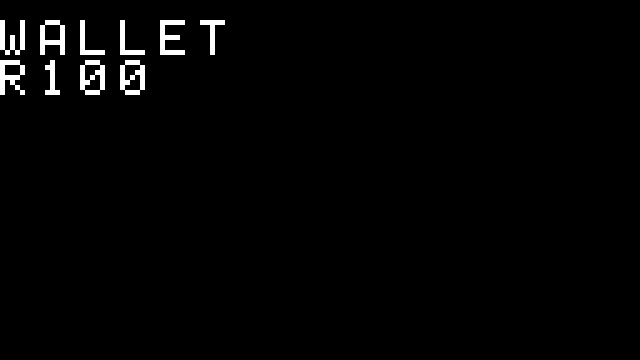
Lesson 1 · the wallet, running on the board

A wallet you can press. A budget that must add up to 100. A price that refuses to sit still. By lesson 4 they hold a position, watch it lose money, and meet the rule that saves them from themselves.

One board · no network
Part 2Lessons 5–8

The Trading Floor

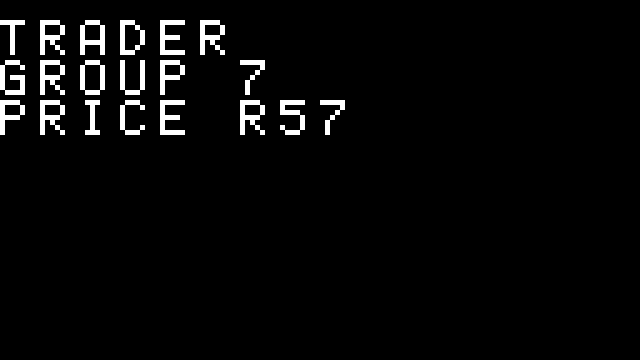
Lesson 5 · a trader receiving the exchange’s price

Boards talk to each other by radio. One becomes the exchange; everyone else sends buy and sell orders back, and the price moves on the imbalance. Then they discover the spread — the fee you pay for being in a hurry.

Board-to-board radio · still offline

Part 3Lessons 9–12

Live Markets

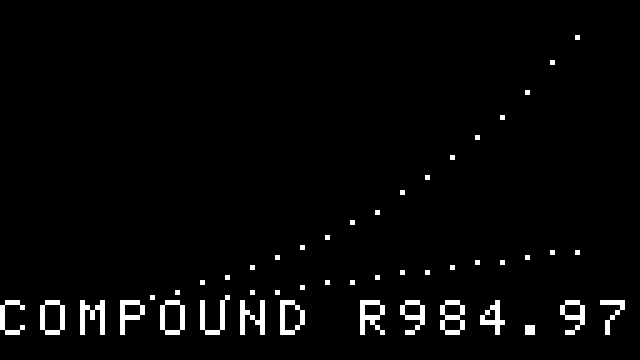
Lesson 10 · simple growth against compound

The boards join WiFi and subscribe to a live feed the teacher controls. Compounding, diversification, drawdown — then twenty-five equity curves race each other on the class dashboard.

WiFi · live feed · class dashboard

The lesson that lands

They set out to beat the market. They lose to the fees.

The capstone is not scored on profit. It is scored on profit divided by the worst drop along the way — and the benchmark is doing nothing at all. These are the real figures from one Market Day.

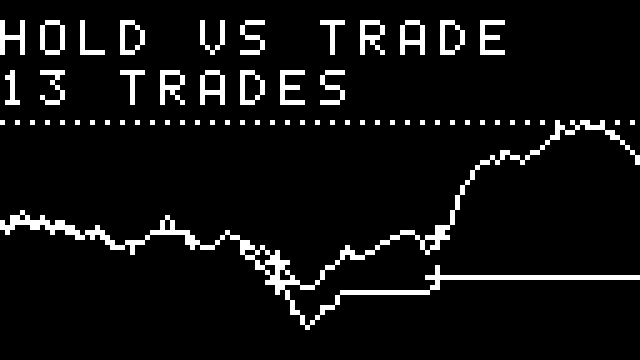
Buy-and-hold against a busy strategy, same day, same prices
One session · R1 000 starting capital
Buy & holdTrading hard
Trades placed113
Paid in spreadR10.30R163.85
Finished onR1 171.27R853.20
Worst drop19.1%30.5%
Risk-adjusted score+8.97−4.81

Thirteen trades cost R163.85 in spread alone. Students discover for themselves why most active investors lose to a fund that simply sits still — a fact they will meet again the first time an app congratulates them for trading.

The capstone

Market Day.

Students write their trading rules on paper before they write a single block. Then the market opens, and the teacher decides what happens to it.

  1. 00:00

    The feed opens. Every board subscribes, every equity curve starts flat on the class dashboard.

  2. +05:00

    Crash. The teacher presses one key. The price falls a third. Stop-losses fire across the room, and the students who wrote no rule find out what they do under pressure.

  3. +10:00

    Rally. The recovery arrives — and everyone who panicked is sitting in cash, watching it happen without them.

  4. +15:00

    The market closes. Scores are read out on risk-adjusted return, and the loudest trader in the room is usually not the winner.

Bring it to your school

Book a pilot term.

We run the first Market Day with your teacher, supply the boards, and leave the course in your LMS. Parts 1 and 2 need no internet at all — a room, the boards, and one teacher willing to crash the market on purpose.

Download the one-page flyer (PDF)
Course
The classroom becomes the market.
Ages
Ages 10–15 · Grades 5–9
Boards
sheenbot∞ & pi